scroll
There are artists who make music for a moment, and then there are artists who set out to make music that outlives the moment. The Switchblades belong to the second category.
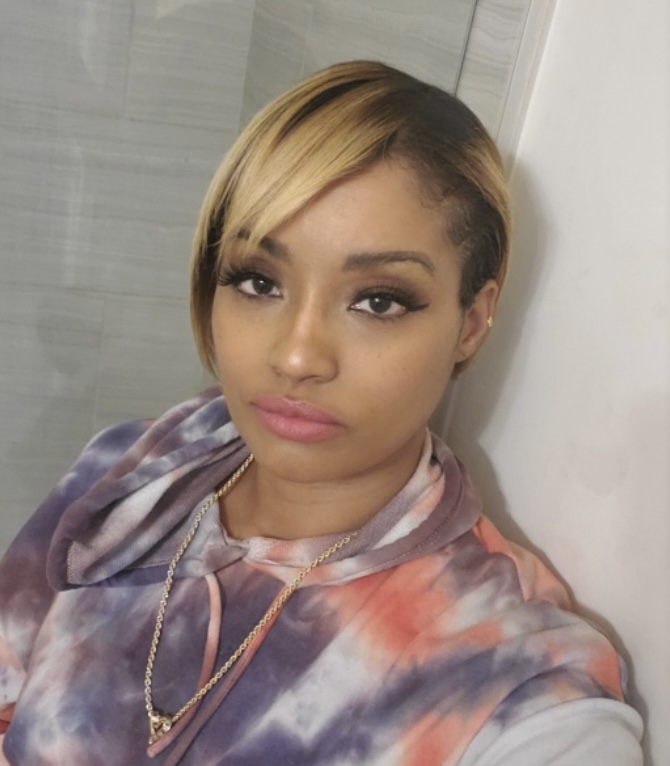
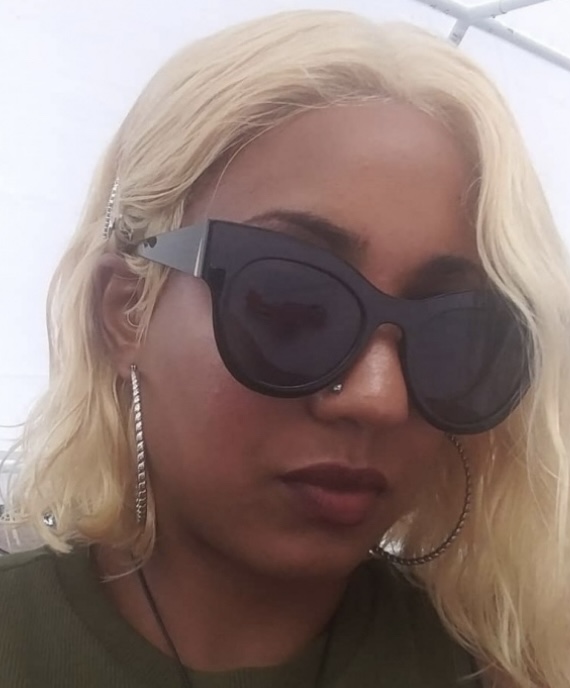
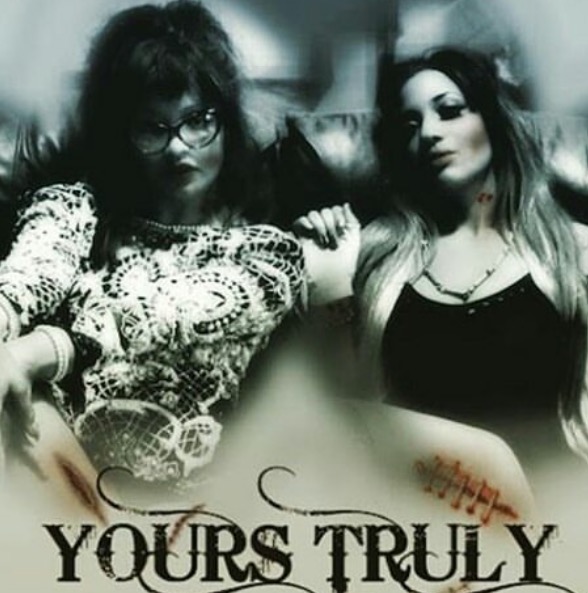
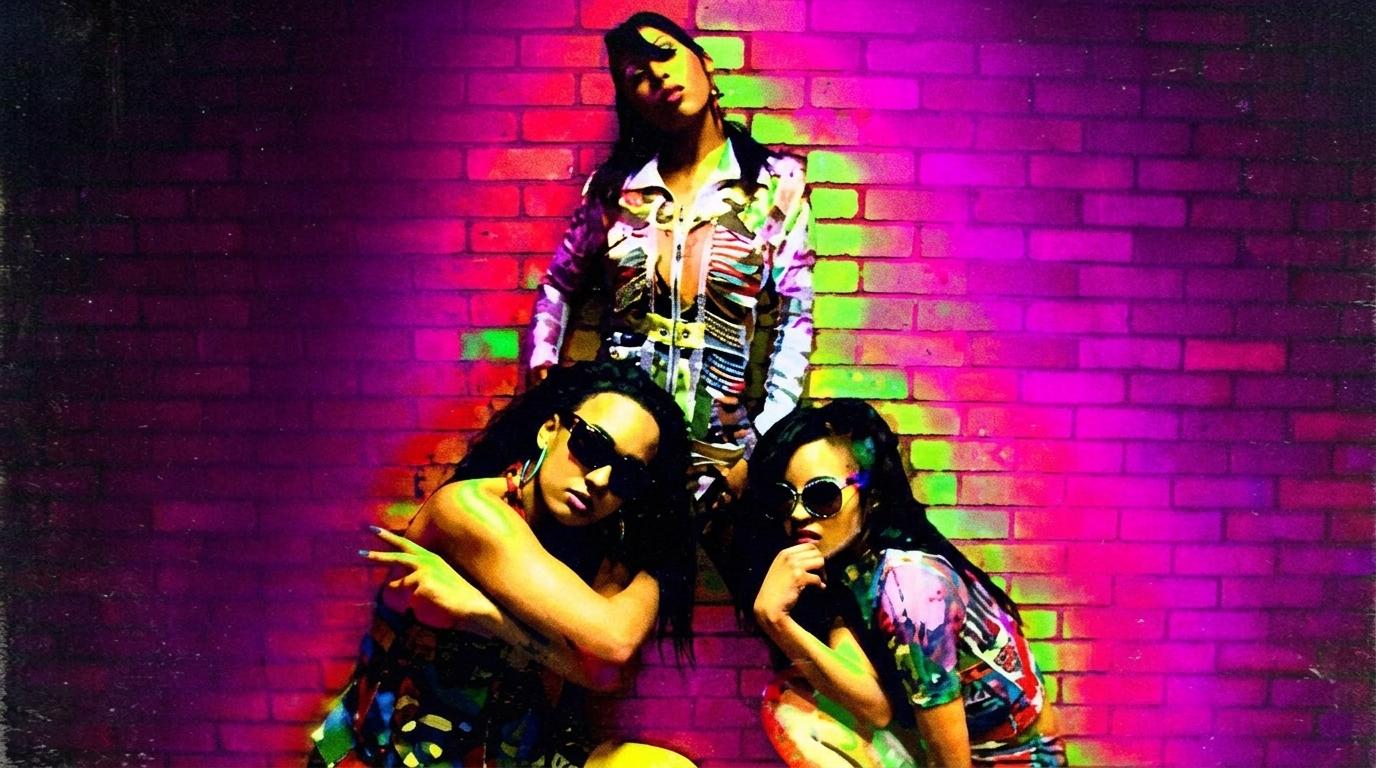
Formed in Detroit in the mid-2000s, The Switchblades—Mackinthedark (Saneca Mack), Liah Lazer (Taliah Rose), and Raquel Mohammad— created a sound that refused to stay inside one box. Hip-hop, alternative, punk, techno, soul, and electronic influences collided to create something uniquely their own.
They weren't following a blueprint. They were building one. And they were doing it independently, long before today's DIY music culture made independent distribution, social media promotion, home recording, and direct-to-fan marketing commonplace.
The Switchblades' music continues to surface across digital platforms, archives, compilations, and music databases. Their surviving NumberOneMusic profile still reflects a substantial historical audience, with thousands of plays, profile views, followers, and subscribers.
Their catalog includes:
Their music traveled far beyond Detroit. The group appeared in international distribution and compilation projects, including the Urban Heartbeat series, while their music reached audiences overseas. "Party in My Room" grew from a collaboration with a UK producer/DJ who contacted the group about using vocals from "Honey."
The Switchblades were part of Detroit's independent music ecosystem during a pivotal era, crossing paths and collaborating with artists, producers, DJs, and creatives who were shaping the city's sound.
The Switchblades' story was never just about the records they made. It was built through producers, engineers, artists, showcases, radio, charity events, road trips, and a relentless effort to get the music in front of people.
Produced the Switchblades track "Dowhatchuwannado."
Recorded with the group during the Detroit era, contributing to the sound and recording environment surrounding the Switchblades.
The group remembers Larry as part of the Detroit recording community and as someone connected to the early recording history surrounding Big Sean.
The Switchblades worked with producer and manager Marquis Reese, who also produced for Boldy James.
The Switchblades appear in the historical orbit of Scootie McB's Detroit compilation work. A 2026 release brought recordings from that era back into public view, including "Distant Lover — Switchblades."
The Switchblades built their reputation the old-fashioned way: by performing. They opened for Fuck Chips with special guest Danny Brown, who was part of the Couch Potato project. They also performed alongside Al Luv at a charity event headlined by Sada Baby.
The group performed at artist showcases organized by well-known Detroit battle rapper Moe Durdee, putting themselves in front of different corners of the city's independent music community.
Their performances weren't limited to traditional hip-hop venues. The Switchblades also performed at a Miss Liberian Pageant in Detroit, showing just how broad their willingness to perform and connect with audiences had become.
In 2013, the Switchblades took their personalities and their network to BlogTalkRadio with The Switchblades Show. The podcast became another way for the group to connect with Detroit and beyond while giving other independent artists a place to promote their music.
One of those connections was the Lawless Knights of Chicago. Founding member Terry Jankins, who has since passed away, eventually became a co-host of the show.
The show represented something bigger than promotion. It was an early example of the Switchblades creating their own media infrastructure — building an audience while creating opportunities for other artists at the same time.
The Switchblades made the trip to Los Angeles twice to promote their music. They didn't arrive with a major-label campaign, a massive marketing budget, or a team handing out promotional materials.
They burned 100 CDs and passed them out everywhere they could. Streets, businesses, people they met — anyone who might listen. The goal was simple: get the music into somebody else's hands.
That same mentality carried back to Detroit. When they left, they had a couple thousand friends on MySpace. When they returned, that number had grown to more than 10,000.
Recording sessions, producers, engineers, showcases, battle-rap connections and a growing independent music scene.
Opening slots, charity events, showcases and performances that put the Switchblades in front of increasingly diverse audiences.
BlogTalkRadio became another outlet for the group to amplify their own music and create space for other artists.
Two trips, 100 burned CDs and a direct-to-the-people promotional strategy.
What started as a couple thousand MySpace friends grew into a network of more than 10,000.
That is what makes the group's story unusual. The music didn't disappear. It kept resurfacing.
Today, Saneca Mack and Liah Lazer are bringing The Switchblades back to the stage. The current live lineup represents two of the group's original members, while Raquel Mohammad remains an essential part of the group's original history and songwriting legacy.
This isn't an attempt to recreate the past. It's an opportunity to reintroduce the music to a new generation while giving the people who remember The Switchblades a chance to experience the songs again — a celebration of a catalog created when the group was simply trying to make something that sounded like them.
They succeeded. And twenty years later, the music is still speaking.
Concerts, festivals, cultural events, college events, showcases, private events, and national/international bookings.
Detroit → Atlanta → Everywhere